

Legacy System Modernization: How to Upgrade Your Software Without Disrupting Operations
A practical guide for SaaS companies and enterprises ready to stop maintaining the past and start building the future
Published at: October 20, 2026
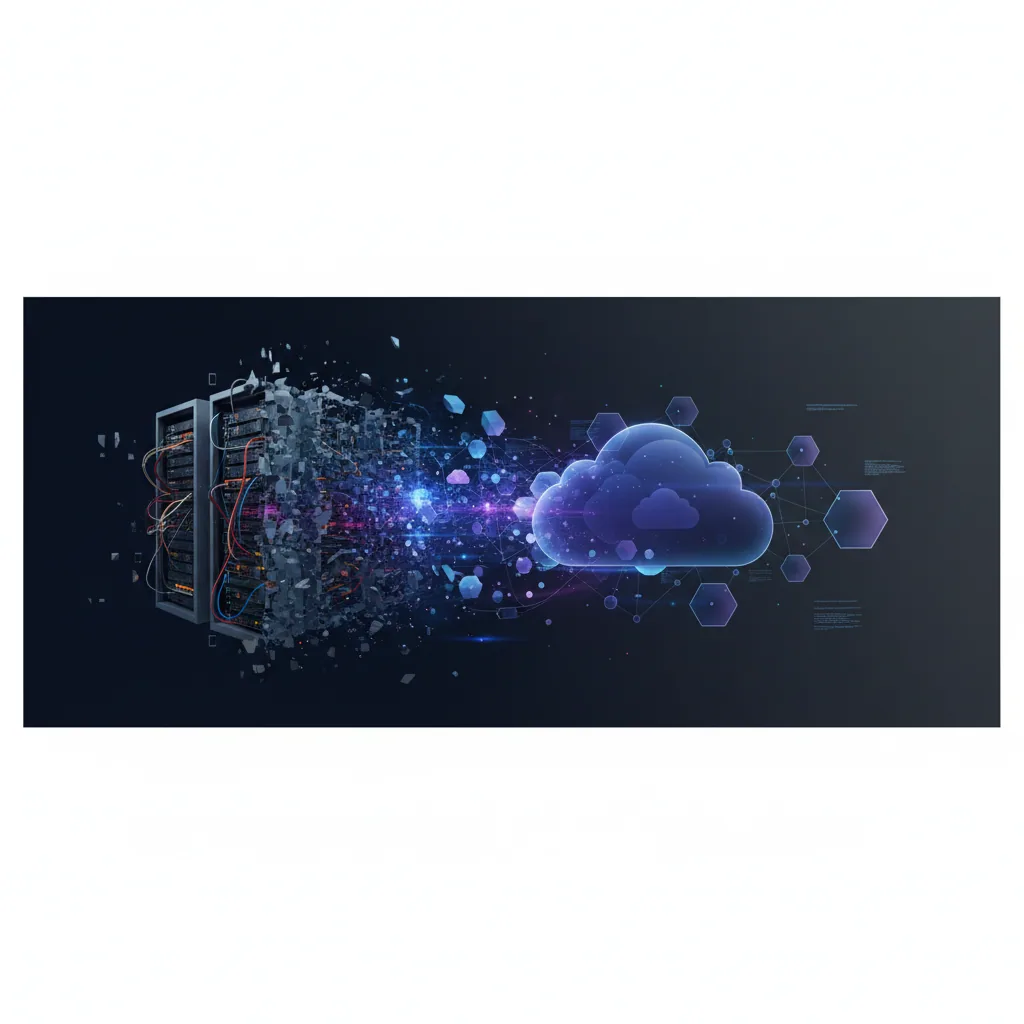
What Is Legacy System Modernization?
Legacy system modernization is the process of transforming outdated software infrastructure into modern, scalable, and maintainable architecture — without losing the critical business logic that makes your system valuable in the first place.
For many established companies, legacy systems are both their greatest asset and their biggest liability. These systems often run core business operations reliably, but they hold companies hostage: expensive to maintain, impossible to integrate with modern tools, and too fragile to extend safely. Every new feature becomes a risky, costly project. Every developer who leaves takes critical knowledge with them.
The result? Companies get outmaneuvered by competitors who move faster — not because their competitors are smarter, but because they are not dragging 15 years of technical debt behind them.
Signs Your System Needs Modernization
- Development velocity has slowed to a crawl — adding a simple feature takes weeks because every change touches ten other components
- Onboarding new developers is painful — no documentation, tribal knowledge, and outdated frameworks nobody wants to learn
- Integration is a nightmare — your system cannot talk to modern APIs, CRMs, or cloud services without expensive custom glue code
- Security vulnerabilities accumulate — unsupported libraries and frameworks create growing compliance risks
- Scaling costs are spiraling — vertical scaling on monolithic architecture is hitting its limits
- Your best engineers are leaving — senior developers do not want to spend their careers maintaining legacy code
The 4 Core Legacy Modernization Strategies
There is no single right approach to legacy system modernization. The right strategy depends on your system age, complexity, and how tightly your business depends on it today.
1. Strangler Fig Pattern (Incremental Replacement)
The safest and most widely-used approach for large enterprise systems. You build a new system alongside the old one, gradually routing features and traffic to the new platform until the legacy system can be retired. This eliminates the dangerous big bang rewrite — operations are never disrupted because the legacy system continues running until the new one is proven in production.
This is the approach UIDB uses most frequently. It keeps risk low, allows continuous delivery of new features throughout the migration, and gives stakeholders visible, measurable progress from day one.
2. Refactoring and Re-platforming
For systems that are architecturally sound but technologically outdated, refactoring is often the right choice. This means upgrading frameworks, migrating to cloud infrastructure (typically AWS), improving code quality, and adding automated testing — without fundamentally changing the system core behavior. Re-platforming moves the application to modern infrastructure: containers, managed databases, serverless — reducing operational overhead and unlocking cloud-native scalability.
3. Microservices Decomposition
Tightly coupled monolithic systems become a critical bottleneck at scale. Decomposing them into independent microservices allows different parts of the system to be developed, deployed, and scaled independently. This is a significant undertaking that pays dividends when your engineering team exceeds 10 to 15 people, or when different business domains have vastly different scaling and release cadence requirements.
4. Full Rewrite (Only When Justified)
Occasionally, a system is so outdated or so poorly structured that modernizing it costs more than rebuilding it from scratch. We recommend this approach only when the codebase is truly unmaintainable, the business logic is well-understood and documented, and the team has the capacity to run both systems in parallel during the transition.
What Legacy Modernization Projects Typically Include
- Technical audit — deep codebase analysis to map dependencies, vulnerabilities, and accumulated technical debt
- Architecture redesign — defining the target architecture: cloud-native, microservices, API-first
- Database migration — migrating from on-premise or legacy databases to managed cloud databases
- API layer development — building modern REST or GraphQL APIs to expose business logic to new clients and integrations
- Frontend modernization — replacing outdated UIs with modern React or Next.js interfaces
- CI/CD pipeline setup — automating testing, deployment, and monitoring from day one
- Integration engineering — connecting the modernized system to CRMs, ERPs, and third-party APIs your business relies on
How Long Does Legacy Modernization Take?
For most mid-sized enterprise systems, a full modernization project using the Strangler Fig pattern runs 6 to 18 months. The timeline depends on codebase size, number of integrations, and how much of the system must remain in production without interruption during the transition.
Smaller focused modernization efforts — such as re-platforming to AWS or replacing a single monolithic module — can typically be completed in 8 to 16 weeks. We always start with a scoping phase to deliver a realistic timeline and cost estimate before any commitment is made.
The Business Case for Modernization
The ROI of legacy modernization compounds quickly once the project is complete:
- Development speed increases 3 to 5 times — features that took months now take weeks
- Infrastructure costs drop significantly — cloud-native architecture scales efficiently instead of requiring expensive on-premise hardware
- Integration unlocks new revenue streams — connecting to modern CRMs, payment platforms, and marketplaces opens business opportunities that were previously impossible
- Developer retention improves — engineers want to work on modern well-structured systems; turnover decreases
- Operational risk decreases — automated tests and observability dashboards replace fragile manual processes and tribal knowledge
Common Mistakes That Derail Modernization Projects
Underestimating scope. Most legacy systems have significantly more hidden complexity than they appear to on the surface. A thorough technical audit before committing to a budget is essential — teams who skip this step regularly encounter scope expansions of 2 to 3 times the original estimate.
The big bang rewrite. Attempting to rewrite everything simultaneously is the most common reason modernization projects fail. Use incremental approaches wherever possible to reduce risk and maintain business continuity.
Losing business logic. Decades of business rules are often buried in legacy code without any documentation. Losing this logic during migration is catastrophic and expensive to recover. Always extract, document, and validate business logic thoroughly before replacing the underlying system.
Skipping automated tests. A modernized system without a comprehensive automated test suite will quickly drift back toward technical debt. Test coverage is not optional — it is the foundation that makes the modernized system maintainable over time.
Legacy Database Modernization: A Closer Look
Legacy database modernization is often the riskiest and most overlooked part of any system modernization project. Aging databases — unsupported versions, denormalized schemas built for a business that no longer exists, or vendor-locked systems with spiraling license costs — quietly cap how fast your entire product can move.
A proper legacy database modernization plan covers three stages: schema analysis (mapping every table, trigger, and stored procedure back to the business rule it implements), data migration (moving to a modern managed database with zero data loss, validated row-by-row), and cutover (a reversible switch, usually run in parallel with the legacy database for a defined validation window before full retirement). Done right, legacy database modernization removes an entire category of operational risk while unlocking modern reporting, analytics, and integrations that were previously impossible.
Building a System Modernization Roadmap
System modernization fails most often not because of bad code, but because of a missing roadmap. Before UIDB writes a single line of code, we build a phased system modernization roadmap with our clients that answers four questions:
- What is the business impact of each component? — not every module deserves the same investment; we prioritize by revenue and risk impact
- What is the safest sequencing? — which pieces can move first with the lowest blast radius, building confidence and momentum
- What does "done" look like at each milestone? — measurable checkpoints, not a single big-bang finish line 18 months out
- How do we keep the legacy system upgrade invisible to end users? — zero-downtime cutovers and feature-flag-controlled rollouts
This roadmap becomes the shared reference point between engineering, leadership, and stakeholders — turning a vague "we need to modernize" mandate into a funded, trackable initiative with clear milestones.
Frequently Asked Questions
What is system modernization?
System modernization is the practice of updating outdated software, infrastructure, and data systems to modern architecture, frameworks, and cloud platforms — improving performance, security, and maintainability while preserving the business logic the system already runs on.
How much does legacy database modernization cost?
Cost depends on database size, schema complexity, and how much undocumented business logic lives in stored procedures. Most legacy database modernization engagements are scoped in phases so you see measurable value — and can course-correct — long before the full budget is committed. UIDB provides a free assessment before any commitment.
How long does a legacy system upgrade take?
A well-scoped legacy system upgrade using the Strangler Fig pattern typically delivers its first production milestone within 6-10 weeks, with full modernization phased over months rather than one disruptive rewrite.
Will legacy system modernization disrupt our operations?
Not if it's done incrementally. UIDB's approach keeps the legacy system fully operational throughout the project, routing traffic to the new architecture only once each piece is proven in production.
Why SaaS Companies and Enterprises Choose UIDB for Legacy Modernization
At UIDB, we have become the R&D partner of choice for companies whose products have outgrown their original architecture. We bring:
- Senior-level engineering expertise — engineers who have rescued many complex legacy codebases across industries
- Long-term partnership commitment — we take on modernization as an ongoing relationship, not a one-off project we hand off and forget
- AWS partnership — as an official AWS partner, we design and implement cloud infrastructure that is both powerful and cost-optimized
- Full-stack capability — from database redesign to API development to frontend modernization, we handle the complete transformation end-to-end
We do not just modernize your system — we make it ready for the next decade of growth.
Explore our full range of software development services or browse our client success stories to see how we have transformed complex systems for companies like yours.
Ready to stop maintaining the past and start building the future? Contact us for a free legacy system assessment.
 Tags:
Tags:
- legacy system modernization
- system modernization
- legacy database modernization
- legacy system upgrade
- software modernization
- legacy software migration
- technical debt
- enterprise software
- software architecture
- AWS


Need expert advice?
We'd love to hear about your challenge and propose a tailored solution.
Let's Talk
Leave a comment